The Full Picture: Formation-Based Organization Theory Meets Regenerative Leadership
This is the final installment of the series.
Since writing about the V-formation of migratory birds in the introduction, it feels like we've come a long way. Honestly, I didn't have this full picture when I started. I've been thinking while writing and writing while thinking. I believe the series preserves that process as-is.
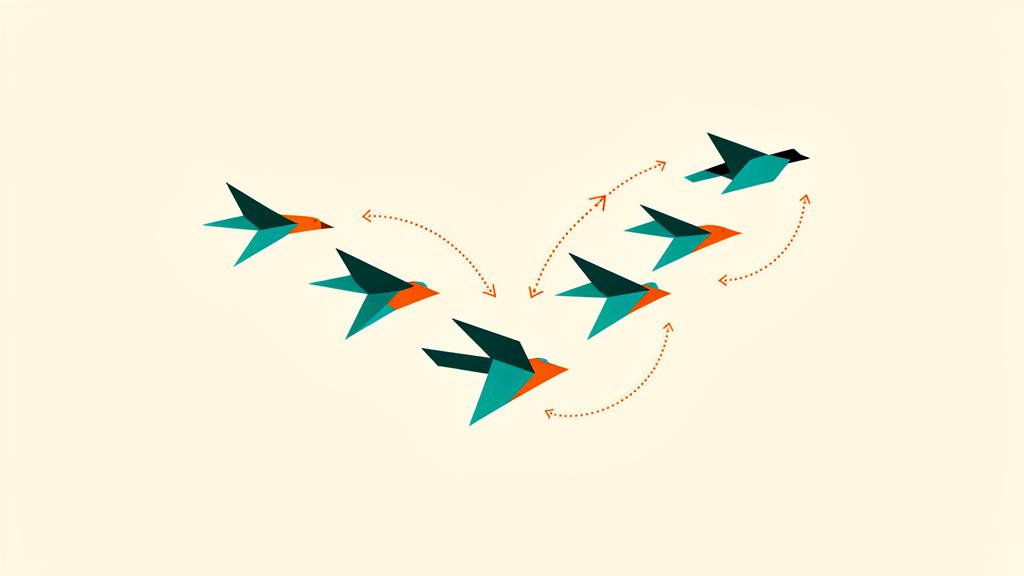
渡り鳥はなぜ飛び続けられるのか
This time, I want to consolidate everything discussed so far into a single map.
The Journey So Far
A brief look back.
In Part 1, I explored "why organizations burn out." The real source of exhaustion is "depletion of meaning" rather than physical fatigue. And many organizations implicitly assume "everyone sprints at full speed, all the time."
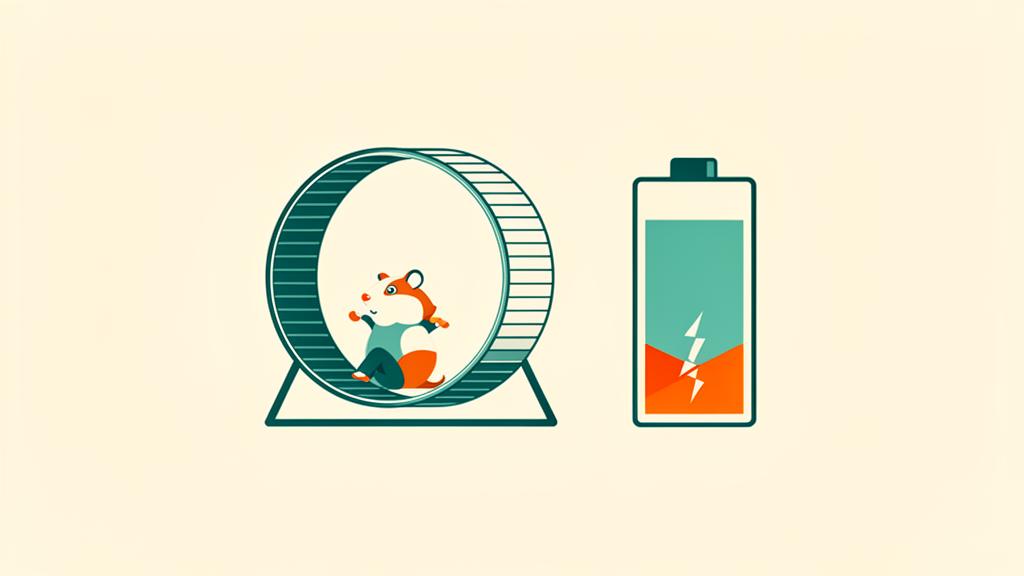
なぜ組織は疲弊するのか
In Part 2, I extracted four design principles from migratory bird and sled dog formations: cost visibility, systematized rotation, meaningful rear positions, and whole-system optimization.
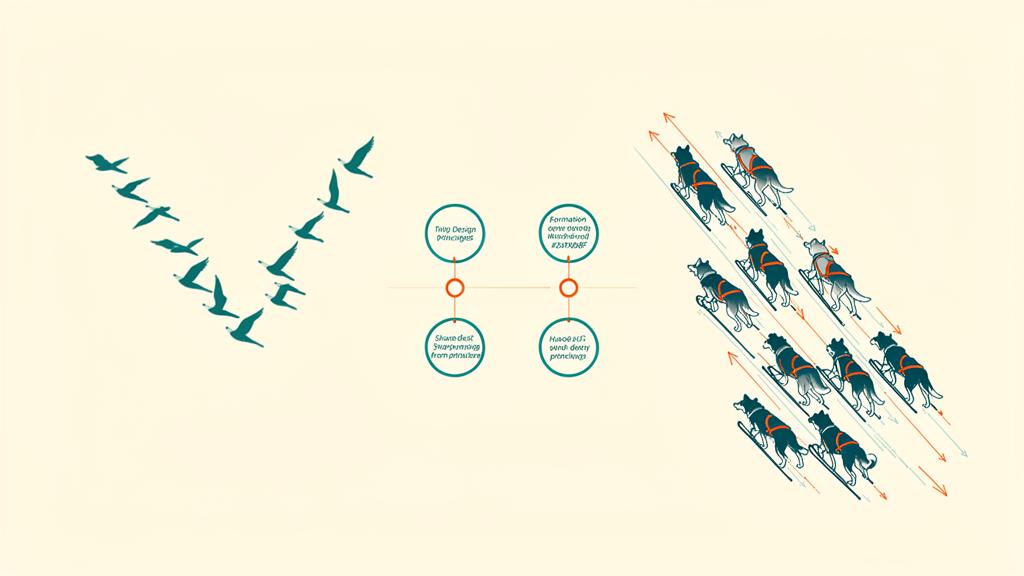
渡り鳥と犬ぞりに学ぶフォーメーションの設計
In Part 3, I proposed the "Senior Supporter" hypothesis -- giving name and role to those who step back from management, turning "demotion" into "transition."
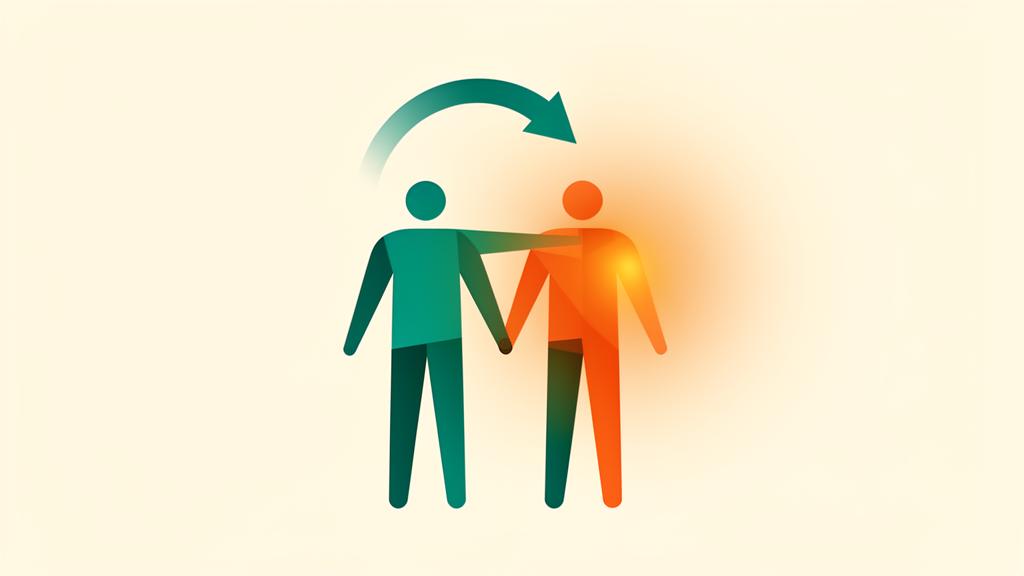
シニアサポーターという役割設計 ―「降格」を「移行」に変える
In Part 4, I learned about two-layer compensation design from road cycling's reward structure: equal sharing of short-term results, with base compensation on two axes of experience depth and role.
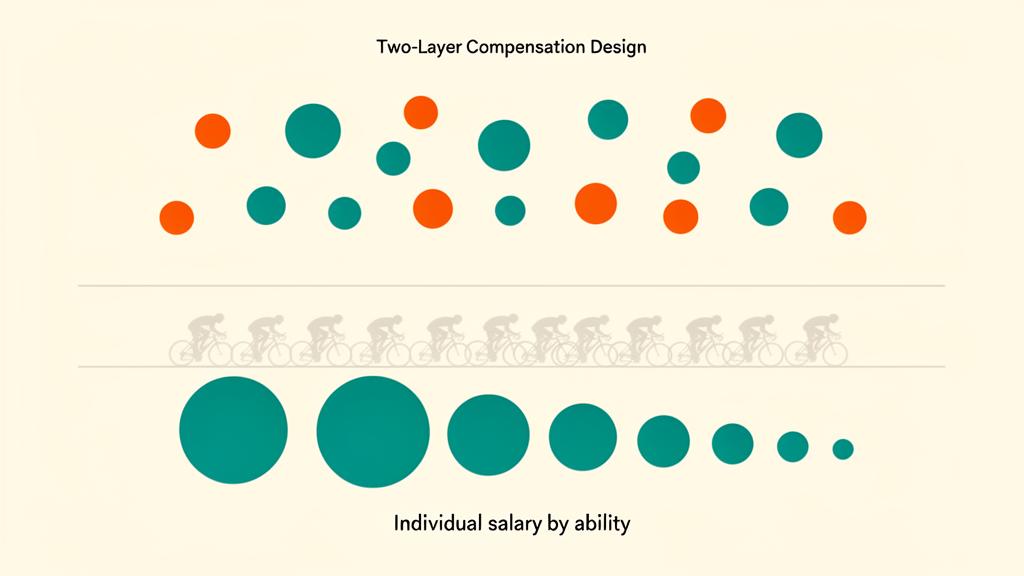
ロードサイクリングの報酬設計に学ぶ ― 2層構造の考え方
In Part 5, I connected Kegan's developmental theory. The vessel of systems and the inner maturity of removing armor. Only when both are present can rotation function as "transition."

マネージャーの鎧を脱ぐ ― キーガンの発達理論との接続
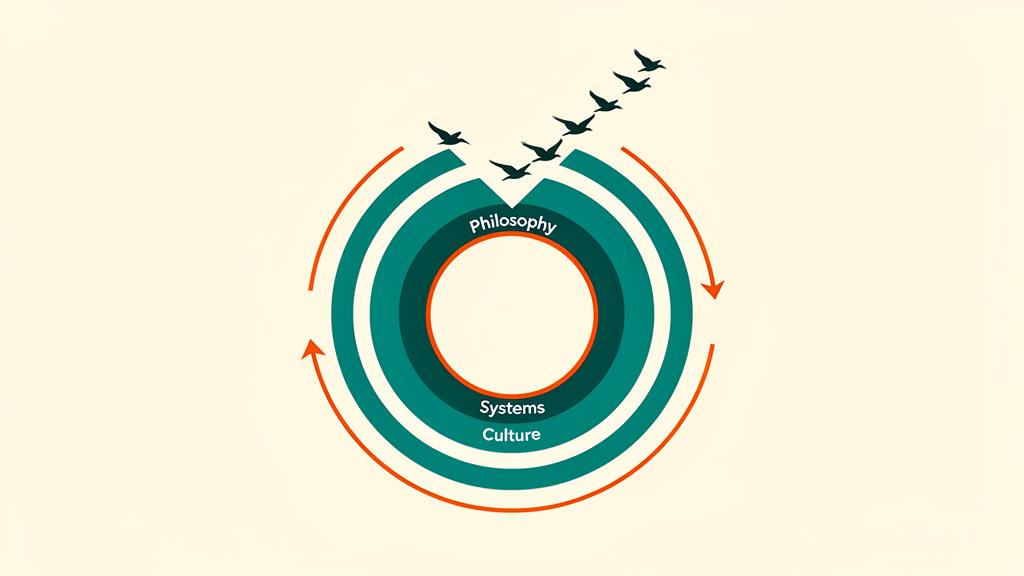
Laid out this way, it becomes clear that this series has addressed three layers.
Formation-Based Organization Theory as a Three-Layer Structure
Layer 1: Philosophy (Why do it)
Resolving the trade-off between short-term results and long-term growth through "formation design." Letting go of the premise that "everyone runs at full speed all the time" and simultaneously achieving "individual recovery" and "collective progress." The metaphors of migratory birds and sled dogs are the core of this layer.
Layer 2: Systems (What to build)
Term-limited leadership. The Senior Supporter as a named role with a clear definition. Two-layer compensation with equal sharing of short-term results and base pay grounded in experience depth. These support the "rotation mechanism" as concrete institutional design.
Layer 3: Culture (How to embed it)
Making managerial exhaustion visible to the team. Respect for the cost of being at the front. Pride in being in the back. And the inner maturity that Kegan's developmental theory describes -- the ability to separate your role from yourself.
None of these three layers works alone.
Philosophy without systems remains idealism. Systems without culture become hollow formalities. Trying to change culture without a receiving structure leaves people unable to move.
Only when all three come together does the formation start to turn.
Connection to Regenerative Leadership
Throughout writing this series, Regenerative Leadership has been in the back of my mind.
This philosophy, proposed by Giles Hutchins and Laura Storm, starts from reimagining organizations not as machines but as living systems. Their book, translated into Japanese by Eiji Press in 2025, argues that organizations should have rhythms of expansion and contraction, creation and recovery.
I feel that formation-based organization theory connects deeply with this philosophy.
What Regenerative Leadership articulates is that "even sustainability isn't enough -- we should aim for regeneration." Not organizations enduring through depletion, but moving forward through cycles of recovery and renewal.
The V-formation of migratory birds is precisely a regenerative design. Flying while recovering, recovering while flying. Individuals cycle through depletion and renewal while the flock never stops.
However, the Regenerative Leadership book tends to center on "leader consciousness transformation" and "harmony with nature" at the philosophical level, without diving deep into the practical question of "what specific systems should we build?"
If formation-based organization theory has value, it may lie in attempting to translate this philosophy into the level of institutional design.
Questions That Remain Unanswered
This is the final installment, but I have no intention of tying everything up neatly. Or rather, I can't.
Let me honestly share the questions that remain in my mind after this series.
Who decides when rotation happens, and how?
Migratory birds rotate naturally based on energy levels. Sled dogs have a musher. What about organizations? Is it the manager's self-report? A superior's judgment? Team consensus? This remains unclear.
What are the concrete success metrics for a Senior Supporter?
A manager's results can be quantified to some degree. But what measures "good work" for a Senior Supporter? The growth rate of new managers? Overall team stability? There's room for more thinking here.
How does the design change with organizational scale?
A 10-person team and a 1,000-person organization must have completely different formation structures. Even migratory bird flocks vary by size. Small flocks and large flocks differ in V-shape geometry and rotation rhythm.
Can this model even apply to all organizations?
What are the prerequisites for formation-based design to work? There must be fit and misfit depending on industry, culture, and organizational phase.
Reflections on Writing This Series
Let me close with something personal.
This series started from a conversation one day. It began with the question "Committing only to short-term results leads to burnout -- am I right about this feeling?" From there it became about migratory birds, then institutional design, then Kegan.
The moment I thought "I should write about this on the blog" wasn't because I found an answer -- it was because the contours of the question became visible.
In my career, I have the experience of collapsing from "battery dead." Back then, my team had no formation. Everyone was sprinting at full speed, there was no rotation mechanism, and I -- at the front -- simply burned out.
If the organization had had something like the Senior Supporter role. If managerial exhaustion had been visible to the team. If there had been a culture that said "it's okay to step back."
I sometimes think about that.
Of course, this might be retroactive idealization. I don't think that situation could have been solved so easily. But at the very least, if there had been a framework for thinking about it, different choices might have been possible.
If this series becomes a catalyst for thinking for someone in a similar situation -- that's enough.
Why do migratory birds keep flying?
Not because they're strong, but because they can rotate.
Is your organization designed to allow rotation?
Previous article:
マネージャーの鎧を脱ぐ ― キーガンの発達理論との接続
Was this article helpful?

If this article helped you organize your thoughts
a coffee-sized support would be much appreciated.
※ This is separate from tipping, but—
If you'd like to organize similar themes in your own context, I also offer dialogue sessions as a form of thought organization.
Recommended for you