#Management
10 articles
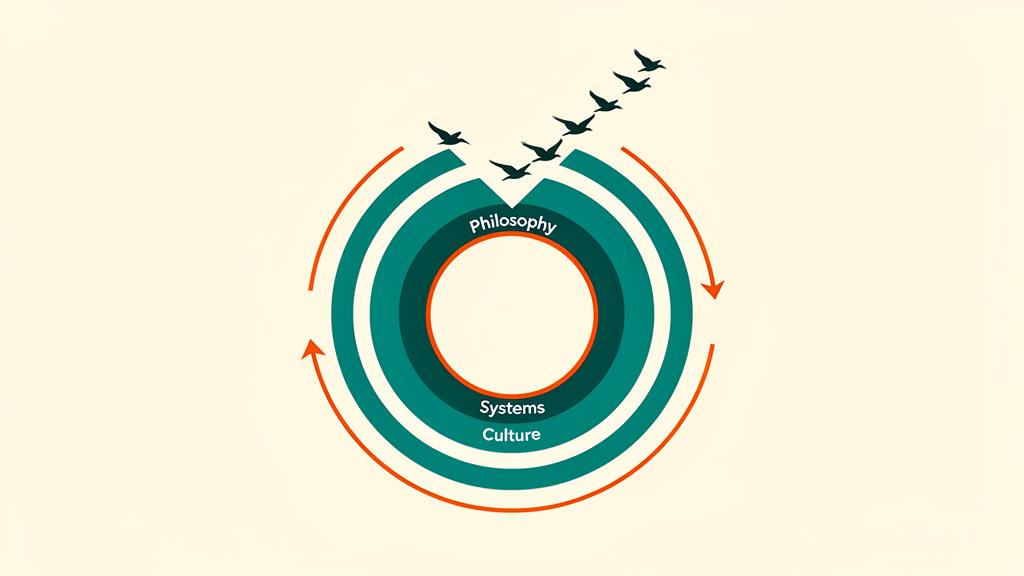
The Full Picture: Formation-Based Organization Theory Meets Regenerative Leadership
The series finale. Integrating formation-based organization theory as a three-layer structure of philosophy, systems, and culture, and connecting it to Regenerative Leadership. Birds keep flying not because they're strong, but because they can rotate.

Taking Off the Manager's Armor: Connecting Kegan's Theory to Formation Design
The invisibility of managerial exhaustion meets Robert Kegan's Self-Transforming Mind. Taking off the armor isn't about showing weakness -- it's about sharing the reality of the role. Systems first, culture second, but ultimately both are necessary.
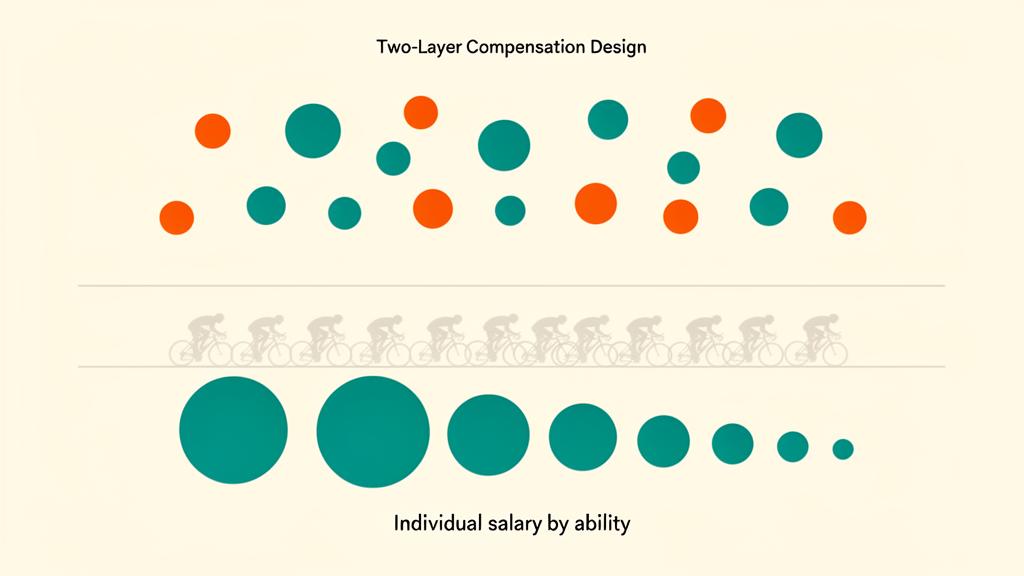
Two-Layer Compensation: What Road Cycling Teaches About Pay Design
In road cycling, prize money is split equally among the team while base salary varies by ability. Applying this two-layer structure to organizations, exploring how to solve the compensation problem when transitioning to a Senior Supporter role -- and why systems alone aren't enough without culture.

The Senior Supporter: Turning Demotion into Transition
A hypothesis for giving name, role, and meaning to those who step back from management. Drawing from road cycling's gregario and rugby's formation culture, exploring the conditions under which rear positions can carry pride.
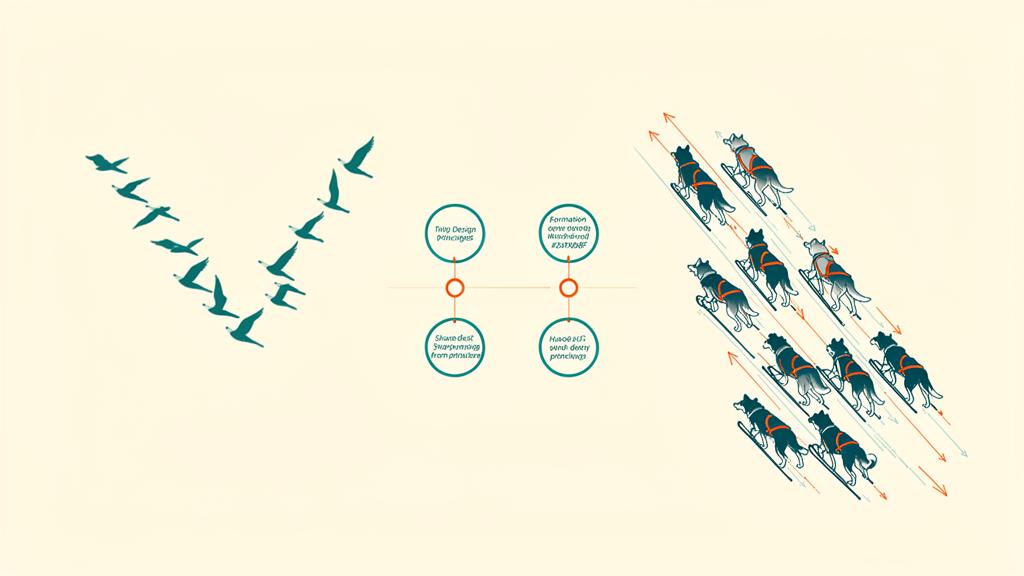
Formation Design Lessons from Birds and Sled Dogs
Extracting four design principles shared by migratory bird V-formations and sled dog teams, and exploring what it takes to apply them to human organizations. Pushing beyond existing leadership theories into the territory of concrete system design.

Why Organizations Burn Out
Exploring how relentless pursuit of short-term results creates a 'depletion of meaning,' why the unspoken assumption of 'everyone sprinting all the time' is fundamentally flawed, and the overlooked perspective of 'formation design' in management theory.
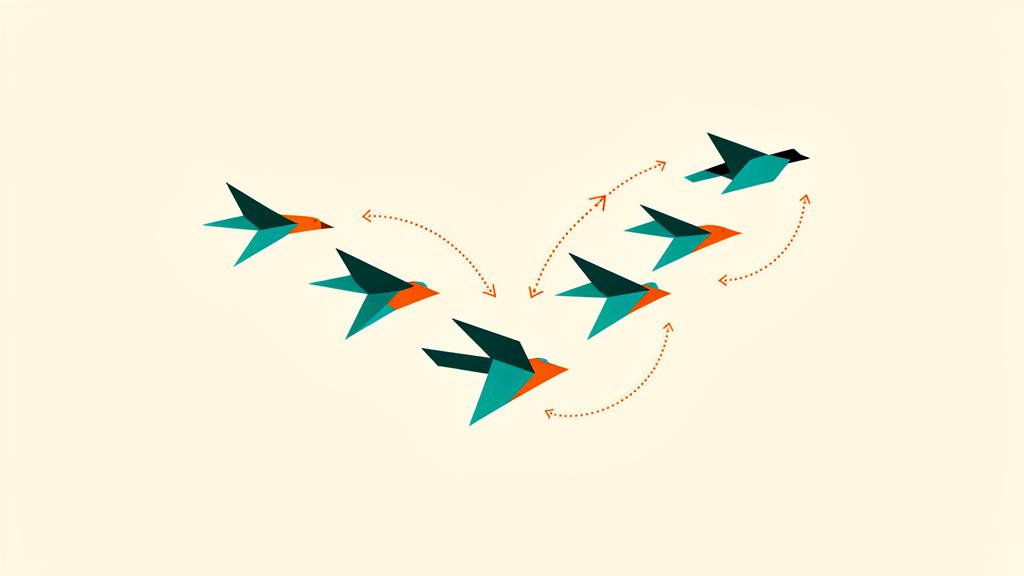
Why Migratory Birds Never Stop Flying
Exploring organizational sustainability through the V-formation of migratory birds and the rotation system of sled dogs. An introduction to a series on redesigning organizations around the principle of rotation, moving beyond the 'everyone sprints all the time' model.

The Importance of Asking Questions in Approval Meetings — Stopping Irreversible Decisions
Drawing from experience raising concerns about an OEM fork decision in an architecture approval meeting, this article explores the tension between short-term and long-term integrity, and the role of questions in preventing irreversible mistakes.

What Comes Before \"Be Interested in People\" — On Cognitive Margin in Organizations
Exploring the hidden prerequisite behind the common advice to 'be interested in people.' From facilitating a dialogue-based workshop, reflections on the relationship between cognitive margin and organizational structure.

Confronting My Desire for Zero-Input Time Tracking
There are many time tracking and task management tools available, but they all assume you'll 'input' something. If you insist on zero input, what must you compromise? I explored automatic tracking tools and found a realistic middle ground.