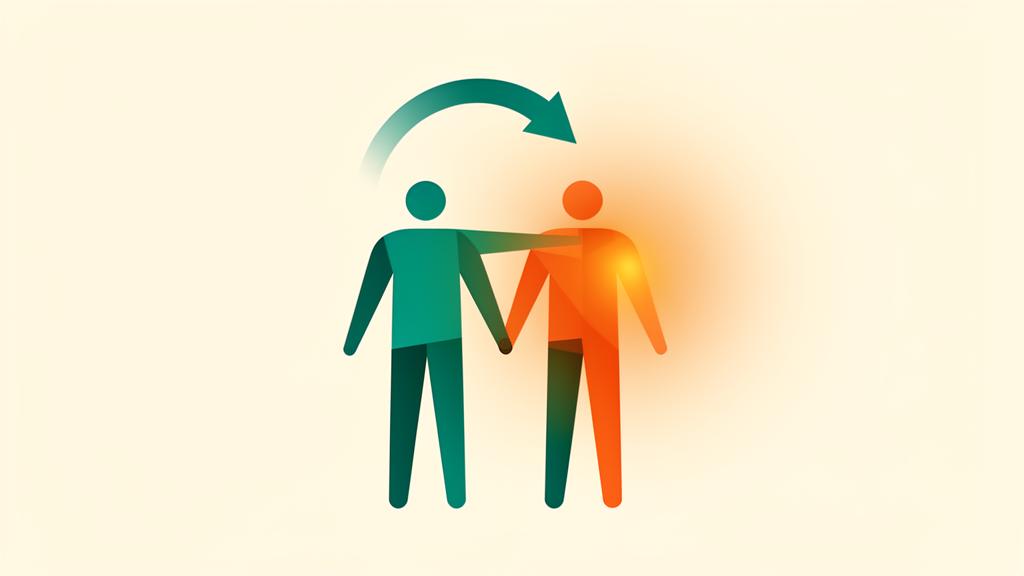
The Senior Supporter: Turning Demotion into Transition
In the previous article, I extracted four design principles from the formations of migratory birds and sled dogs.
The one I feel is most important is "giving meaning to the rear position." What does it take for being in the back to function as "preparation" rather than "slacking"?
This time, I want to think about this concretely.
Honestly, this is still a hypothesis. But I feel like I can't move forward without putting it out there.
Why Rotation Doesn't Happen in Organizations
Migratory birds naturally drop to the back when tired. But in human organizations, this almost never happens.
Why?
There are several reasons, but the one I feel is biggest is this: there's nothing waiting for you when you step back.
When someone leaves a manager role, what's left for them? In most organizations, the only meaning assigned is "demotion." The title is stripped, authority shrinks, and colleagues look at you differently. Everything you built feels reset.
Of course no one wants to step back under those conditions.
The difference from migratory birds is clear: when a bird drops to the rear, there's an explicit meaning -- "storing energy to take the lead next." But organizations haven't designed that meaning in.
The void in role definition creates anxiety. I believe this is the biggest structural factor blocking rotation.
Sports Already Have the Answer
While thinking about this problem, something caught my attention.
Is there a world where both "the role at the front" and "the supporting role" carry names and respect? A culture where this already exists?
There is. In sports.
Road cycling has a clearly defined role called the "domestique" (or "gregario" in Italian). They sacrifice their own race to help the team leader win. They serve as windbreakers, carry water, and control the pace of the peloton. And this is a legitimate profession, spoken of with pride.
It might surprise those unfamiliar with road racing, but domestiques speak of "supporting the leader" with the same pride as a victory. The satisfaction of "today I protected our ace" is deeply rooted in the culture.
Rugby works similarly. True to "One for all, All for one," the next player picks up where the fallen one left off. Players who do the unseen work in scrums and lineouts are deeply respected within the team.
These two sports share something in common:
Both "the leading role" and "the supporting role" are visible and named.
That, I believe, is the key.
What Has No Name Goes Unvalued
This might sound abstract, but I think it's fundamental to system design.
Roles without names are hard to recognize. What isn't recognized is hard to evaluate. What isn't evaluated is hard to take pride in.
Because road cycling has the name "gregario," the role carries meaning and respect. Because rugby gives each position a name and role definition, a flanker can take pride in being a flanker.
Now, in organizations, what do we call "someone who left a manager role"?
"Former manager." Or "went back to being an individual contributor."
Both carry the meaning of someone who lost something. No wonder rotation doesn't work.
The "Senior Supporter" Hypothesis
Here's my hypothesis.
What if we gave people who step back from management a name and role: "Senior Supporter"?
A Senior Supporter is "someone with experience leading from the front, who now uses that experience to support whoever is currently in the lead."
The reason the best domestiques in road cycling are so effective is that many of them were once team leaders themselves. They know the cost, pressure, and loneliness of being at the front in their bones. That's exactly why they can provide support that no one else can to the current leader.
Applied to organizations, the Senior Supporter's value lies in the experience of having been at the front itself. They can understand a new manager's anxieties and decision-making struggles as a road they've already traveled. This is a kind of support that someone without management experience simply cannot provide.
Three Elements the Senior Supporter Needs
For this hypothesis to work, at least three elements are necessary.
First: a clear role definition.
"A former manager who vaguely helps out when free" won't cut it. The specific behaviors expected of a Senior Supporter need to be documented -- things like "serving as a sounding board for new managers," "maintaining a bird's-eye view of team health to catch early warning signs," and "passing down organizational context and tacit knowledge."
Second: designed time limits.
Just as a manager's tenure can have a term, the Senior Supporter role should also have a defined duration. Rather than being a supporter forever, you can return to the front once your energy recovers. Seeing this cycle is what sustains the feeling of "transition" rather than "demotion."
Third: compensation design.
This is honestly the hardest part. And it's an area where I don't have a complete answer yet.
Traditional organizations operate on "higher role, higher pay," so leaving a role means a pay cut. Under this design, the Senior Supporter concept remains a pipe dream.
I want to dig deeper into compensation design next time. There turned out to be a surprising hint in road cycling's compensation structure.
Turning "Demotion" into "Transition"
If I had to summarize what I wanted to say in one sentence, it's this:
For leaving management to be received as "transition" rather than "demotion," the destination needs a name, a role, and meaning.
When a migratory bird drops to the back, it carries the meaning of "preparing to take the lead next." Road cycling's domestique has the name "gregario" and the pride that comes with it.
If organizations don't have that, we should build it.
It's still rough, but the "Senior Supporter" is a hypothesis toward that end.
Next time, I'll try to ground this hypothesis further by discussing compensation design.
Previous article:
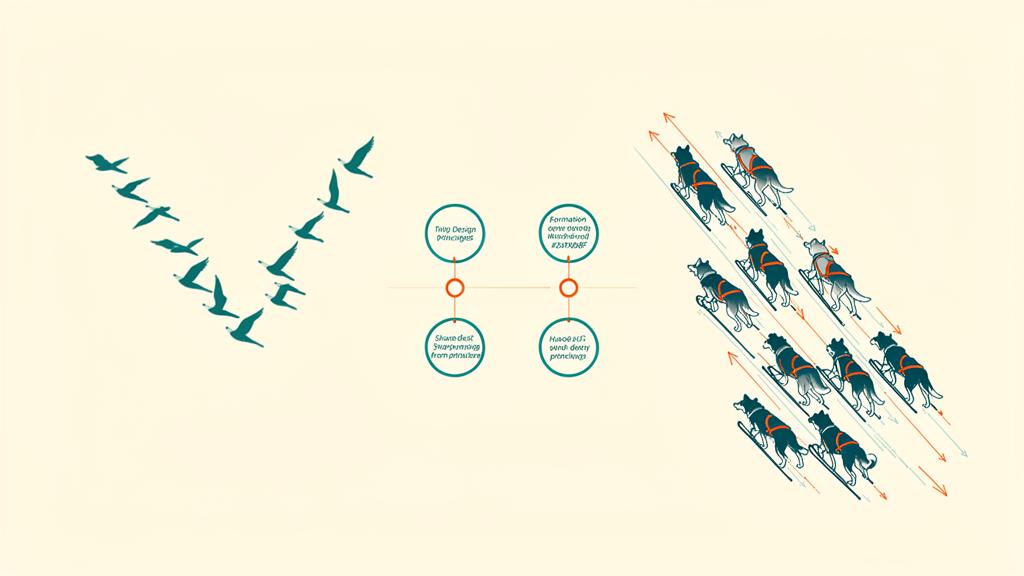
渡り鳥と犬ぞりに学ぶフォーメーションの設計
Next article:
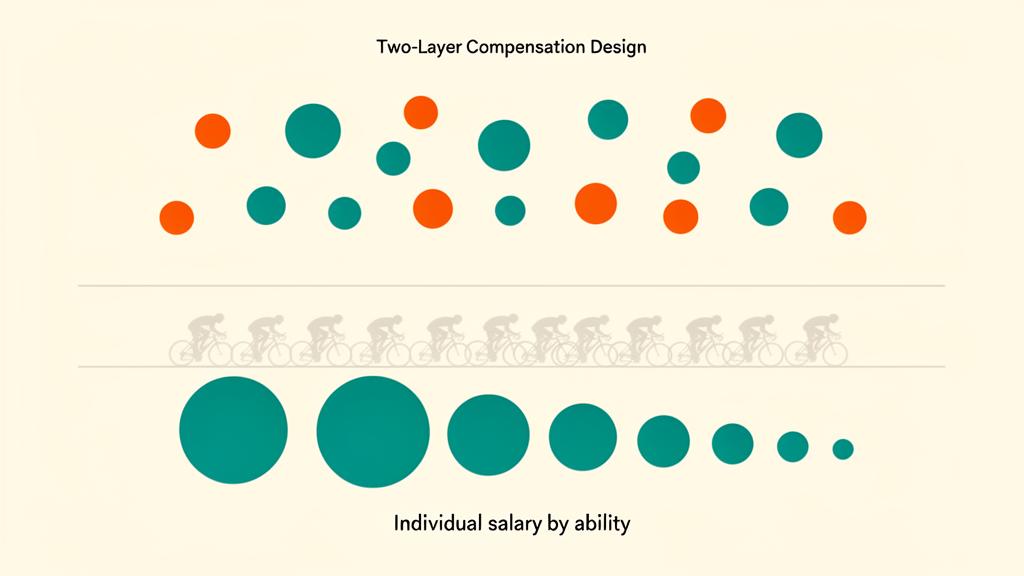
ロードサイクリングの報酬設計に学ぶ ― 2層構造の考え方
Was this article helpful?

If this article helped you organize your thoughts
a coffee-sized support would be much appreciated.
※ This is separate from tipping, but—
If you'd like to organize similar themes in your own context, I also offer dialogue sessions as a form of thought organization.
Recommended for you