
Good and Bad Patterns in Manager-Employee Dialogue
This article introduces examples of dialogues that promote reflection. What kind of conversations do you, as managers, strive for when talking with your team members? I hope to provide helpful insights on what to be mindful of when encouraging reflection through conversation.
Introduction
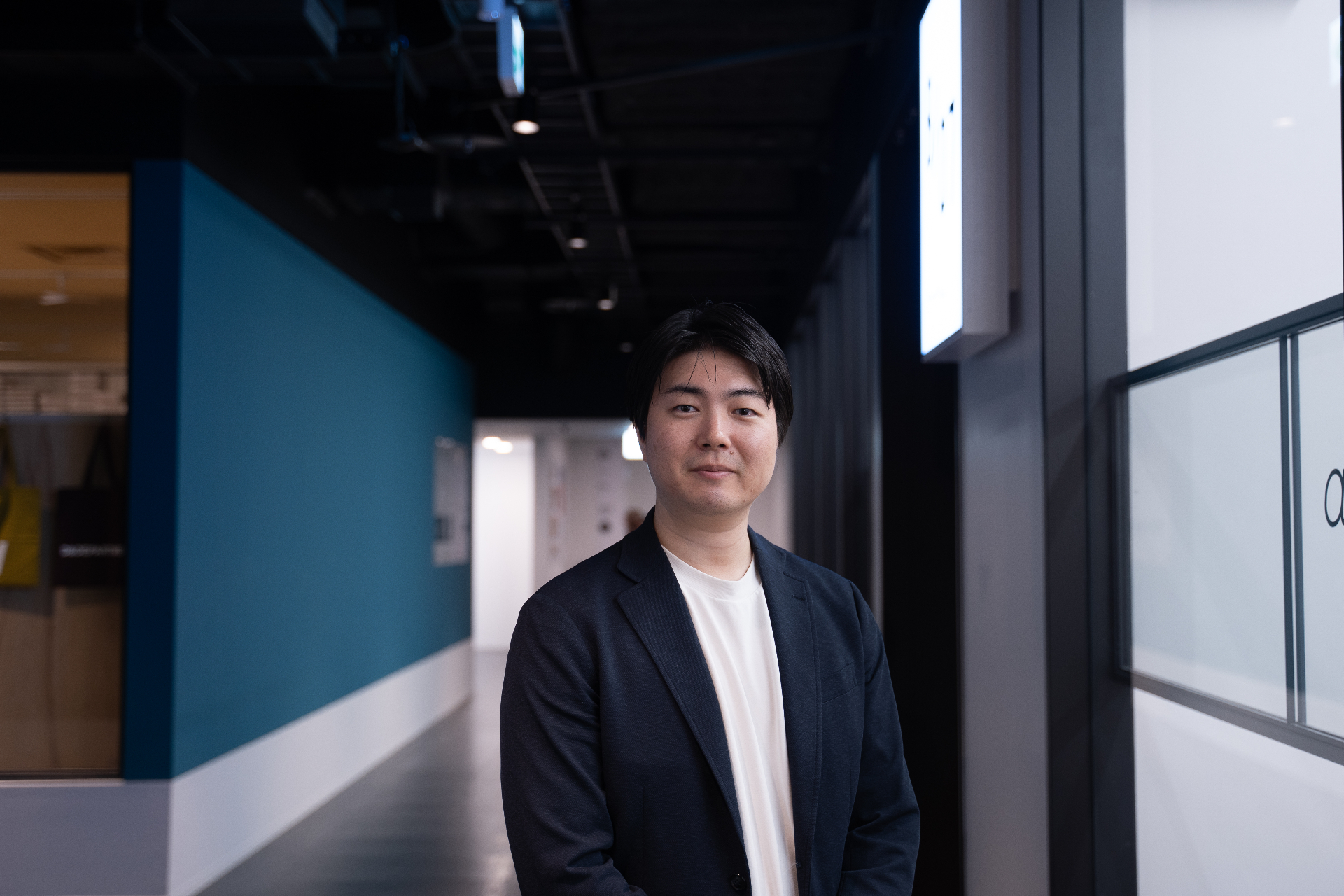
Hello, I'm Takashi Yuto, a reflection specialist who helps transform worries and anxieties into positive action.
I research organizational theory, particularly focusing on reflection, and develop web services and host workshops.
On this blog, I share information about organizational theory and practical methods for reflection that I learn daily, as well as insights from my work. I also share information about IT automation from my experience as an engineer.
https://www.tielec.net/
3 Recommended Articles
Let me introduce three helpful articles. Please check them out as well.
▼ This article covers key points to keep in mind during reflection and dialogue. If you want to understand why reflection and dialogue are necessary, this is a good starting point.

共感しながら俯瞰的に介入する!?内省と対話の場で意識したい姿勢とは
▼ If you generally understand what to be careful about in dialogue but don't know how to ask questions, this article is recommended.

誰でも深く内省ができるORIMDの仕組みとは!?
▼ If you want to know the purpose of 1-on-1 dialogues, this is recommended.

「1on1ミーティング」の目的は 「信頼関係の構築」と「学習の促進」!
What Does Dialogue That Promotes Reflection Look Like?
What should you keep in mind to have dialogue that promotes reflection? This time, I'll explain three points using dialogue examples. We'll look at conversations divided into Bad Patterns and Good Patterns.
Characters Manager Tanaka: Manager Sato's supervisor, the one promoting reflection. Manager Sato: Manager Tanaka's subordinate, the main character in the dialogue.
Dialogue Example ① Show Interest
The first point is to show genuine interest in the other person during dialogue.
First, please look at this:
Bad Pattern
| Manager Tanaka | Manager Sato |
|---|---|
| Is your work progressing smoothly? | |
| The numbers don't match and I'm having trouble. There might be a calculation error. | |
| I see. Please continue working and finish it by end of day. |
Now look at this:
Good Pattern
| Manager Tanaka | Manager Sato |
|---|---|
| Is your work progressing smoothly? | |
| The numbers don't match and I'm having trouble. There might be a calculation error. | |
| I see. Today is the deadline, but is there anything I can do to support you? |
What do you think? In the Good pattern, Manager Tanaka shows interest in Manager Sato and asks if there's anything they can help with. This creates an opportunity for Manager Sato to think through their options.
Dialogue Example ② Let the Other Person Lead
The next point is the perspective of letting the other person lead the conversation.
Bad Pattern
| Manager Tanaka | Manager Sato |
|---|---|
| Being a team leader is difficult and I'm struggling. | |
| I'm giving many instructions, but I feel like I'm demanding too much. | |
| That's just how it is. You just have to accept it. | |
| The team atmosphere feels constantly pressured by deadlines with no breathing room. | |
| How about having a lunch meeting to check on team members' situations? | |
| You might also consider setting up an evening progress check. | |
| Understood. I'll try that. |
Good Pattern
| Manager Tanaka | Manager Sato |
|---|---|
| Being a team leader is difficult and I'm struggling. | |
| I'm giving many instructions, but I feel like I'm demanding too much. | |
| I see. What is the team atmosphere like? | |
| The team atmosphere feels constantly pressured by deadlines with no breathing room. | |
| I see. What do you think the problem is right now? | |
| I want to focus on team collaboration, but some people only focus on their own tasks and won't build cooperative relationships. | |
| Do you think things would work better if you could change that person's attitude? | |
| Maybe. But I don't really know how to approach them. | |
| Why don't you first try asking how they feel about things? | |
| I could ask, but I'm not sure it would lead to change. | |
| Which is better: moving forward after understanding their perspective, or continuing as is? | |
| [... silence ...] I want to properly confirm before making a judgment. |
In the Bad pattern, Manager Tanaka takes over solving Manager Sato's problem. In contrast, Manager Tanaka in the Good pattern asks questions to draw out Manager Sato's next actions, guiding without directly imposing ideas, supporting them to make their own decisions. This is the key point. Also, notice the silence after the final question—this moment is precisely when reflection is being promoted.
Dialogue Example ③ See the Whole Person
The third point is to see the whole person. Let's understand and intervene while showing understanding not just of work events but also of their personal background.
Bad Pattern
| Manager Tanaka | Manager Sato |
|---|---|
| Since my child was born, every day has become busy. | |
| The beginning is tough, isn't it? | |
| Lately, I can't get enough sleep and it's affecting my work. | |
| Why don't you take a few days off once work settles down? |
Good Pattern
| Manager Tanaka | Manager Sato |
|---|---|
| Since my child was born, every day has become busy. | |
| The beginning is tough, isn't it? What are you struggling with? | |
| Lately, I can't get enough sleep and it's affecting my work. | |
| I see. What kind of support do you need? | |
| I'd like to share work with Saito. That would make me feel much better. |
In the Good pattern dialogue, Manager Tanaka empathizes with the other person's situation while taking a bird's-eye view to ask what solutions could be taken. Here too, the conversation proceeds while leaving the initiative with Manager Sato.
Summary
What did you think? This time, I explained dialogue that promotes reflection using specific examples.
The three points used in the dialogue examples are:
- Show interest
- Let the other person lead
- See the whole person
Appendix
Reference Pages for Deeper Learning About "Reflection and Dialogue"
- Things to Keep in Mind in Reflection and Dialogue Settings
共感しながら俯瞰的に介入する!?内省と対話の場で意識したい姿勢とは
- What is the Purpose of One-on-Ones?
「1on1ミーティング」の目的は 「信頼関係の構築」と「学習の促進」!
- Does "Reflection and Dialogue" Improve the Quality of Thinking?
https://note.com/puku_puku/n/n66a84fe04f9a
- Leadership Development and the Design of Dialogue, Reflection, and Experience
https://ameblo.jp/tetsu7s/entry-12065149954.html
- Part 2: How to Improve Management Skills (Reflection and Dialogue Are What Make Managers Grow)
https://keiei.proweb.jp/column/a008/54/802/999/
Recommended Books for Deeper Learning About "Reflection and Dialogue"
RefCla
For those who want to clarify their worries, anxieties, and vague concerns about the future. RefCla is a tool that supports people who want to transform their worries and anxieties into positive action. It helps you face yourself naturally and supports effective reflection.
https://reflectioncloud.achireth.onl/
TIELEC aims to create a self-actualized society through improving reflection capabilities across society.
https://www.tielec.net/
Was this article helpful?

If this article helped you organize your thoughts
a coffee-sized support would be much appreciated.
※ This is separate from tipping, but—
If you'd like to organize similar themes in your own context, I also offer dialogue sessions as a form of thought organization.
Recommended for you